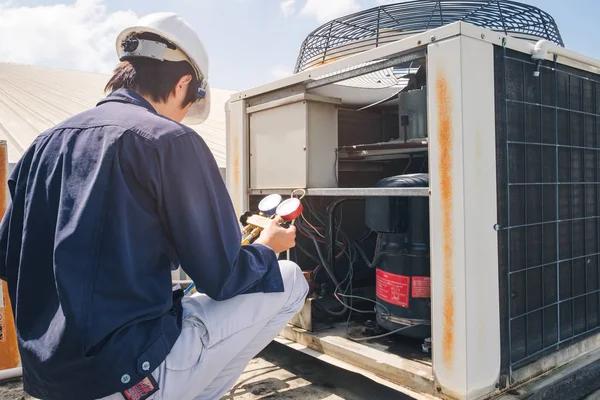
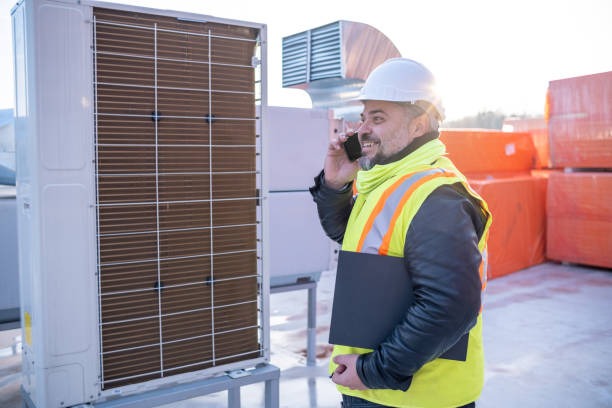
Time-based comfort problems in HVAC systems refer to inconsistencies in heating, ventilation, and air conditioning that occur at specific times or during certain conditions. These issues often manifest as uneven temperatures, delayed heating or cooling response, or fluctuating airflow throughout a home or building. Such problems can significantly affect indoor comfort and energy efficiency. HVAC experts focus on diagnosing and resolving these issues by thoroughly inspecting the ductwork, which plays a crucial role in distributing conditioned air evenly.
The first step HVAC professionals take when addressing time-based comfort problems is conducting a comprehensive visual inspection of the ductwork. They look for obvious signs of damage such as holes, disconnected joints, or crushed sections that could disrupt airflow. Additionally, they check for proper insulation around the ducts to prevent temperature loss or gain, especially in unconditioned spaces like attics or crawl spaces. Correcting any visible duct issues often resolves many comfort inconsistencies.
Beyond the visual check, HVAC experts employ diagnostic tools to analyze duct performance more precisely. One common method is using a duct leakage tester, which pressurizes the duct system to identify leaks by measuring air escaping from the ducts. Leaks can cause conditioned air to be lost before reaching living areas, leading to check full article delayed or uneven comfort.
Thermal imaging cameras are another essential tool. These cameras detect temperature variations along the ductwork, highlighting poorly insulated or leaking sections. HVAC technicians also use airflow meters to measure the volume of air moving through different duct branches, ensuring that all areas receive adequate ventilation at the right times.
Time-based comfort issues are sometimes linked to the HVAC system’s control settings rather than just the physical ductwork. Experts evaluate the thermostat programming, zoning systems, and dampers that regulate airflow timing and distribution. For example, if certain rooms experience delayed heating or cooling, it may be due to misconfigured zone dampers or faulty actuators within the ducts. Adjusting these controls ensures that conditioned air reaches each area at the appropriate time, improving overall comfort.
After identifying ductwork problems contributing to time-based comfort issues, HVAC professionals proceed with repairs. This can include sealing leaks with mastic or metal tape, replacing damaged duct sections, and enhancing insulation. They might also recommend upgrades to the system controls for better timing and zoning efficiency. Regular maintenance and periodic duct inspections help prevent future comfort problems by ensuring the ductwork remains in good condition and operates optimally.
HVAC experts play a vital role in diagnosing and resolving time-based comfort problems by carefully inspecting and testing ductwork. Through visual inspections, advanced diagnostic tools, and system control evaluations, they identify airflow disruptions and timing issues that impact comfort. Proper repairs and adjustments not only restore consistent indoor temperatures but also improve energy efficiency and prolong the lifespan of HVAC systems.