
Choosing the right instrument as an adult beginner can significantly influence your learning experience and long-term enjoyment. Several factors come into play, including ease of learning, affordability, portability, and personal musical preferences. Some instruments naturally lend themselves to beginners due to their straightforward techniques and accessible sound production, making them ideal starting points for adults venturing into music.
The piano is often recommended for adult beginners because it offers a clear visual layout of notes and scales. Its linear arrangement helps learners understand musical theory more intuitively. Additionally, pressing a key produces an immediate sound without complicated finger positioning or breath control, which can be encouraging best beginner flute for adults new players. Digital keyboards are especially practical since they allow volume control and headphone use for private practice sessions.
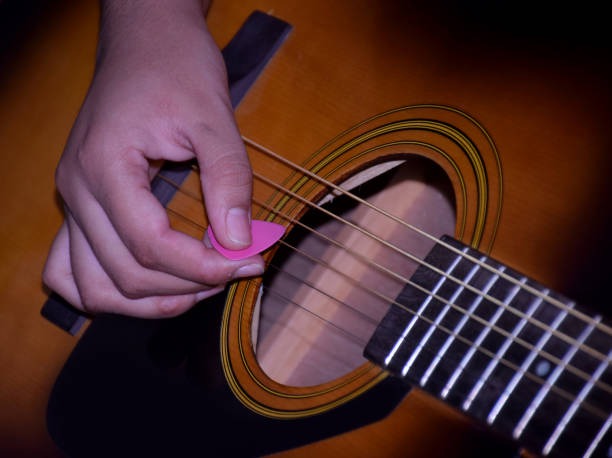
Guitar is another popular choice among adults starting out with music. Acoustic guitars are widely available at reasonable prices and offer versatility across many genres. The ability to accompany oneself while singing adds to its appeal. While initial finger discomfort from pressing strings can be challenging, regular practice typically overcomes this hurdle quickly. Electric guitars require additional equipment but may motivate learners interested in rock or blues styles.
The ukulele stands out as a highly approachable string instrument with fewer strings than the guitar and softer nylon strings that reduce finger pain during early stages of playing. Its compact size makes it portable and convenient for casual practice anywhere. The ukulele’s cheerful tone suits various musical styles from folk to pop, making it attractive for those seeking a lighthearted introduction to string instruments.
For those drawn toward wind instruments, the recorder represents one of the simplest options available. It requires minimal embouchure skill compared to other woodwinds such as clarinets or saxophones. Recorders are lightweight, inexpensive, and easy to carry around-ideal attributes when just beginning musical studies later in life.
Drums or percussion instruments may also appeal depending on individual rhythm sense and coordination comfort level; however, they often demand space considerations due to their size or noise levels in shared living environments.
Ultimately choosing an instrument depends on personal motivation combined with practical aspects like budget constraints or physical comfort during playtime sessions. Starting with something manageable encourages consistent practice habits vital for progress regardless of age group.