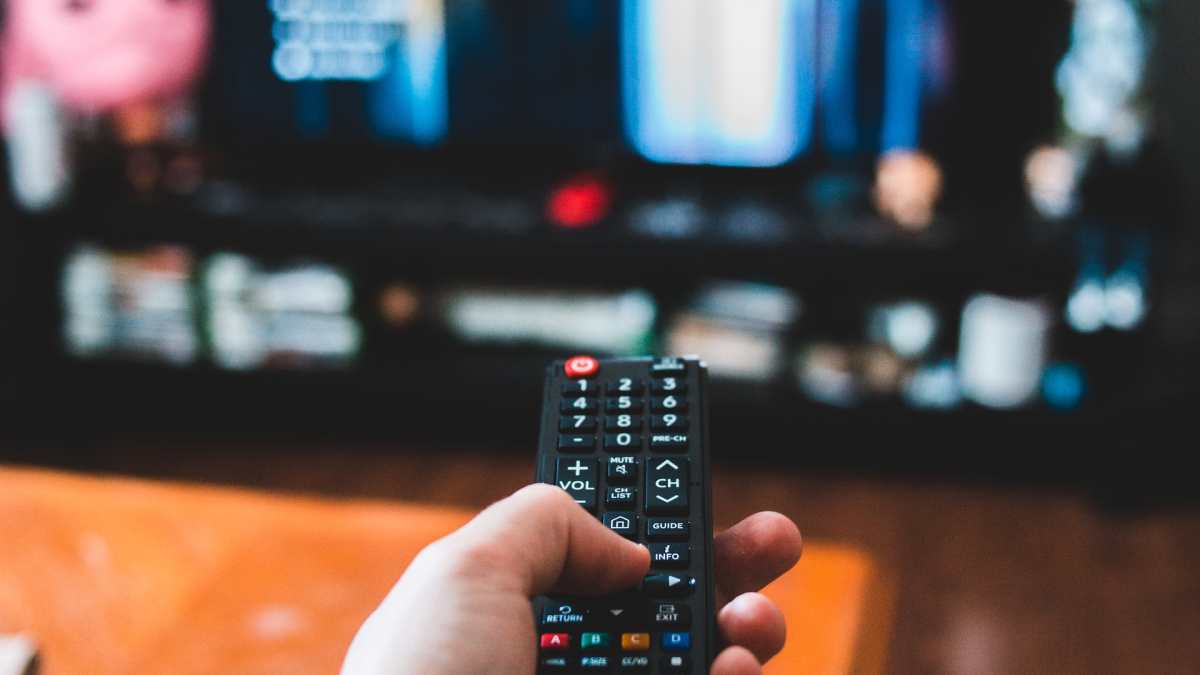
Smart home systems have revolutionized the way homeowners manage their living environments, particularly in relation to air conditioning maintenance. These advanced technologies integrate various household devices into a centralized platform, allowing users to control and monitor their AC units remotely. This integration not only enhances convenience but also promotes energy efficiency and prolongs the lifespan of cooling systems. Modern air conditioning maintenance has evolved alongside these innovations, focusing on predictive care and automated adjustments that optimize performance.
One of the significant benefits of smart home systems is their ability to provide real-time data about an AC unit’s operation. Sensors embedded within the system track temperature fluctuations, humidity levels, and airflow patterns throughout different rooms. This information helps homeowners maintain consistent comfort while avoiding unnecessary energy consumption caused by overcooling or inefficient settings. By analyzing usage trends, smart thermostats can adjust temperatures automatically based on occupancy or time of day, reducing wear on components and lowering utility bills.
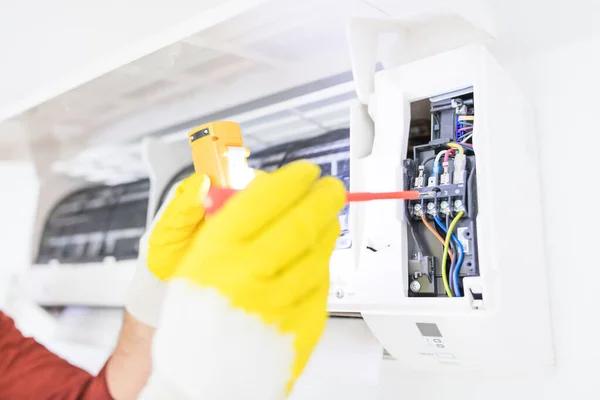
Preventive maintenance has become more effective through smart technology as well. Traditional AC upkeep often relies on scheduled inspections or reactive repairs after a breakdown occurs. In contrast, modern systems use diagnostic tools that detect early signs of malfunction such as refrigerant leaks, clogged filters, or compressor issues before they escalate dive deeper into it costly problems. Alerts sent directly to a user’s smartphone notify them when service is needed or if immediate action should be taken to prevent damage. This proactive approach minimizes downtime and extends equipment durability.
Furthermore, many smart home platforms allow seamless communication between HVAC professionals and homeowners. Service providers can access performance reports remotely to assess system health without needing an initial visit onsite unless necessary for repairs or replacements. This capability streamlines maintenance processes by enabling technicians to prepare adequately before arriving at a residence with required parts and tools already in hand.
Energy savings are another critical advantage associated with integrating smart controls in air conditioning systems. By optimizing operational schedules according to actual demand rather than fixed timers, these technologies reduce electricity waste significantly during peak hours or when no one is present at home. Additionally, some units incorporate adaptive learning algorithms that fine-tune settings over time based on environmental conditions and user preferences.
In summary, the combination of smart home systems with modern air conditioner maintenance practices represents a substantial leap forward in residential comfort management. These advancements not only improve convenience but also contribute meaningfully toward sustainability goals by conserving energy resources while maintaining optimal indoor climates effortlessly for occupants year-round.