
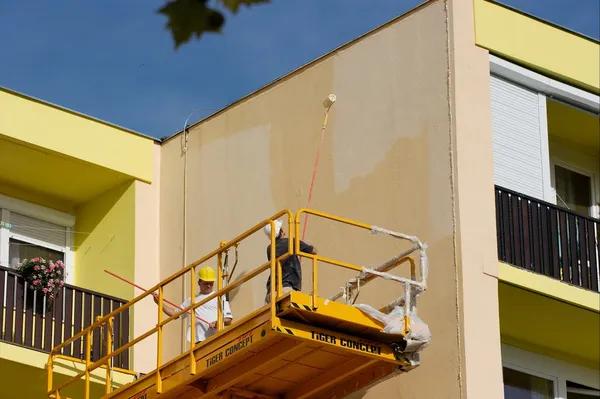
Painting the exterior of a house is a significant undertaking that requires careful planning, preparation, and execution. Whether you’re refreshing the look of your home or preparing it for sale, following expert tips can ensure a professional finish that enhances curb appeal and protects your investment.
The first step in any successful painting project is thorough surface preparation. This involves cleaning the surfaces to remove dirt, mildew, and loose paint. A power washer can be highly effective for this task; however, care must be taken to avoid damaging delicate surfaces with high pressure. After washing, allow ample time for drying before proceeding further.
Next comes the crucial task of scraping off old paint that has started peeling or blistering. Using a quality scraper will make explore this website job easier and more efficient. Sanding follows scraping to smooth out uneven edges left by old paint removal and to create a suitable texture for new paint adhesion. It’s essential to sand down glossy areas as well since new paint adheres better on rougher surfaces.
Once sanding is complete, inspect the exterior for any cracks or holes which need filling with caulk or filler material suited for outdoor use. Pay special attention around windows, doors, and other joints where water might seep in if not properly sealed.
Priming is an often overlooked but critical step in exterior painting projects. Applying primer serves multiple purposes: it seals bare wood or patches made during repairs, provides uniformity over different surfaces ensuring even color application from topcoats later on while enhancing overall durability against weather elements like rain or UV rays from sunlight exposure over time.
When selecting paints specifically designed for exteriors consider factors such as climate conditions typical within your region because these influence how long coatings last before needing reapplication again someday soon enough! Opting between oil-based versus latex options depends largely upon personal preference although many professionals recommend using 100% acrylic latex due its flexibility allowing expansion contraction without cracking splitting apart easily under varying temperatures humidity levels experienced outdoors year-round generally speaking anyways!
Finally applying those final coats begins once all prep work’s been completed satisfactorily thus far already mentioned prior here earlier above too remember always start at top working way downward systematically covering entire structure evenly avoiding drips runs wherever possible along way additionally utilizing appropriate tools like brushes rollers sprayers depending size complexity involved each particular job site location encountered naturally course yet still keeping mind importance maintaining consistency throughout process ultimately achieving desired results envisioned initially outset planning stages back then originally conceived idea first place ultimately leading successful conclusion project end result satisfaction guaranteed hopefully leastwise ideally speaking optimistically looking forward future endeavors similar nature perhaps even surpass expectations beyond wildest dreams imaginable who knows really until trying see happens firsthand experience yourself someday maybe?