
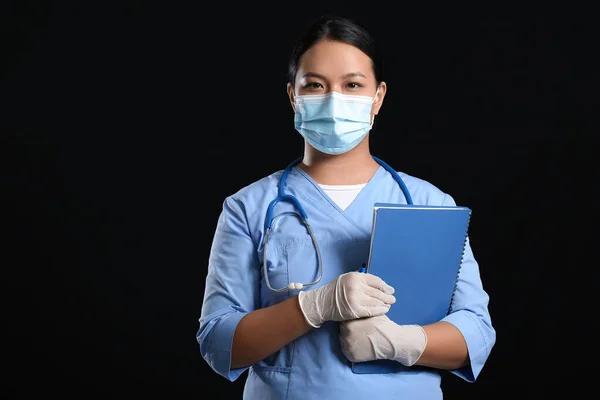
Clinical shadowing and public health opportunities offer distinct yet valuable experiences for undergraduate students interested in health-related fields. Each pathway provides unique insights and skills that can shape a student’s understanding of healthcare and influence future career decisions. Clinical shadowing typically involves observing healthcare professionals such as doctors, nurses, or physician assistants in a direct patient care environment. This experience allows students to witness firsthand the day-to-day responsibilities of clinicians, including patient interactions, medical procedures, and decision-making processes. It offers an immersive view of the clinical setting, emphasizing individual patient care and the application of medical knowledge in real-time. Through clinical shadowing, students gain exposure to the healthcare system’s fast-paced nature and the critical thinking required in patient diagnosis and treatment. This experience is particularly beneficial for those aspiring to enter medical school or other clinical professions, as it helps them confirm their interest in patient care and build a foundational understanding of clinical workflows.
On the other hand, public health opportunities focus on the broader aspects of health and wellness within populations rather than individual patient care. These experiences may involve working with community organizations, health departments, or research projects that address issues like disease prevention, health education, policy development, and epidemiology. Public read about what we offer health roles emphasize understanding social determinants of health, health disparities, and strategies to improve health outcomes on a community or population level. For students interested in health promotion, policy-making, or research, engaging in public health activities provides a valuable perspective on how societal factors influence health and how interventions are designed to address these challenges. Public health opportunities often involve collaborative work, data analysis, and communication skills, which are essential for shaping effective health programs and policies.
Choosing between clinical shadowing and public health experiences depends largely on a student’s career goals and interests. Clinical shadowing is ideal for those seeking direct patient care roles and a deeper appreciation of the clinical environment. It offers concrete examples of medical practice that can enhance applications for clinical graduate programs. Conversely, public health experiences are more suited for students interested in systemic health improvements, research, or policy advocacy. Both fields require critical thinking and a commitment to improving health but approach it through different lenses. Incorporating both types of experiences can also be advantageous, providing a well-rounded understanding of healthcare systems and population health, which is increasingly valuable in today’s interdisciplinary health landscape. Ultimately, undergraduate students should consider their long-term aspirations and seek opportunities that align with their interests while broadening their perspective on health and medicine.