
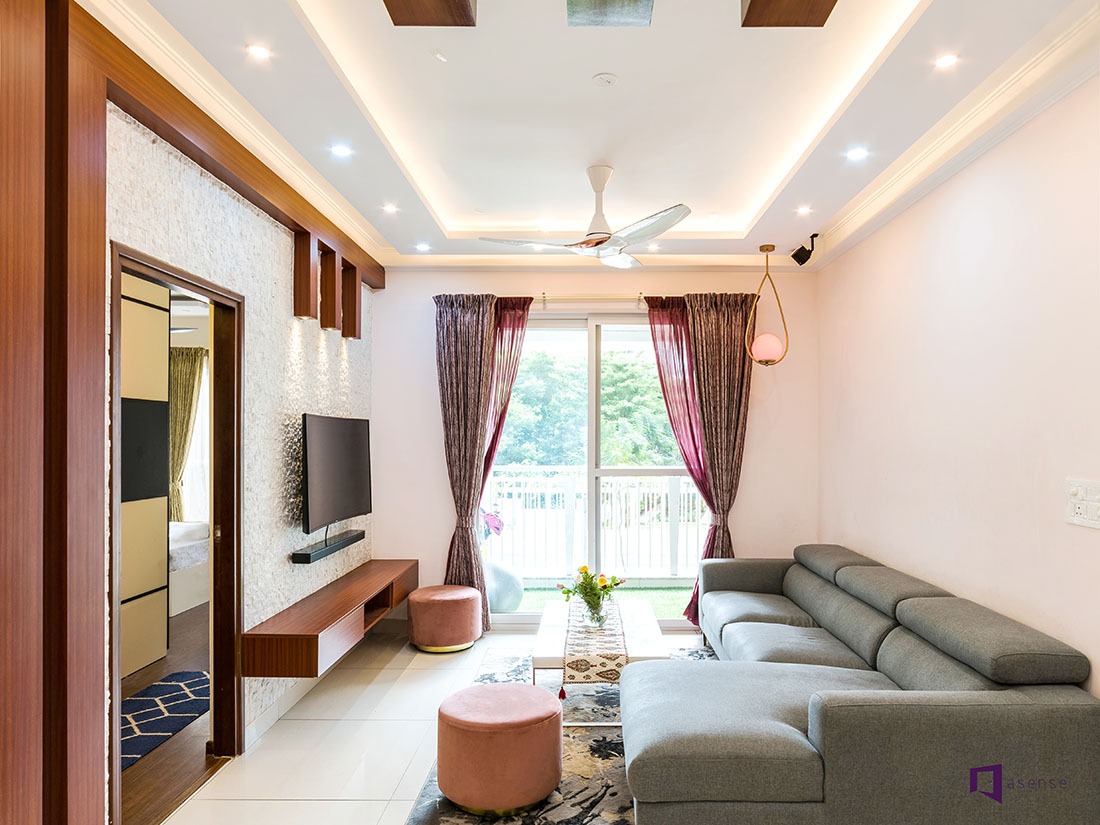
Lighting plays a crucial role in shaping the ambiance and mood of any space. The right lighting can transform an ordinary room into a cozy retreat, an energizing workspace, or a romantic haven. Understanding how different types of lighting affect our emotions and perceptions is essential for creating environments that suit various activities and moods.
One of the most effective ways to change the mood through lighting is by adjusting its intensity. Soft, dimmable lights tend to create a relaxing and intimate atmosphere, perfect for unwinding after a long day or setting the scene for a quiet dinner. Warm-toned bulbs with hues ranging from amber to soft yellow enhance this effect by mimicking natural sunset colors, which have been shown to promote calmness and reduce stress. On the other hand, bright white or cool blue lights stimulate alertness and concentration, making them ideal for workspaces or kitchens where clarity and focus are needed.
Layering light sources is another powerful technique that can dramatically alter a room’s feel. Instead of relying on one overhead fixture, combining ambient Home lighting with task lights and accent lamps allows greater control over brightness levels and highlights specific areas or objects. For example, placing table lamps near reading chairs creates inviting nooks while recessed ceiling lights provide general illumination without overpowering the space. Accent lighting such as LED strips behind shelves or under cabinets adds depth and dimension by casting subtle glows that draw attention to architectural details or decorative pieces.
Color-changing LEDs have revolutionized mood lighting by offering endless customization options at the touch of a button. These versatile fixtures enable users to shift from vibrant blues that evoke energy to gentle pinks promoting relaxation within seconds. Integrating smart home technology further enhances this experience by allowing pre-set scenes tailored for different times of day or occasions-bright morning light settings can simulate sunrise tones helping wakefulness naturally while softer evening modes encourage winding down.
Natural light should not be underestimated when considering mood-enhancing strategies either. Maximizing window exposure during daylight hours boosts serotonin production which positively influences happiness levels. Using sheer curtains diffuses sunlight softly throughout rooms reducing harsh shadows while maintaining privacy.
Incorporating reflective surfaces such as mirrors alongside strategic lighting placement amplifies brightness without increasing electrical consumption-a practical approach especially useful in smaller spaces seeking openness.
Ultimately, experimenting with various combinations of light temperature, intensity, color, layering techniques, and natural elements provides endless opportunities to craft atmospheres aligned perfectly with desired moods-whether it’s peaceful solitude, lively gatherings, focused productivity or romantic evenings illuminated just right by thoughtful design choices in lighting arrangements.