
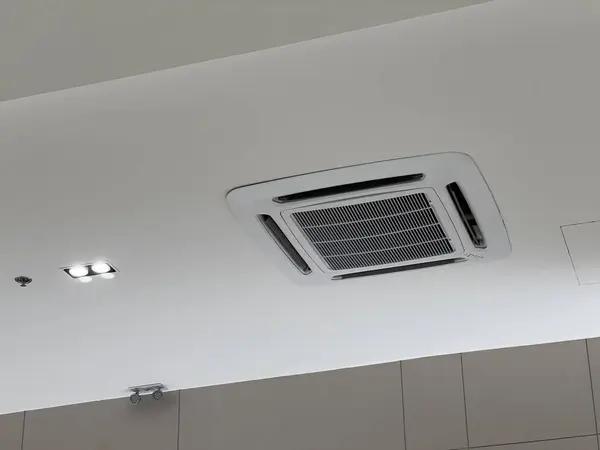
Achieving optimal cooling performance from an air conditioning system depends significantly on the quality of its installation. Many homeowners focus solely on the unit’s specifications or brand reputation, overlooking critical installation details that influence efficiency and comfort. Proper placement of the indoor and outdoor units plays a crucial role in maximizing cooling effectiveness. The indoor unit should be positioned where cool air can circulate freely without obstruction, ideally away from heat sources such as direct sunlight or kitchen appliances. Installing it too close to walls or furniture can restrict airflow, reducing overall performance.
The outdoor condenser unit requires careful consideration as well. It must be placed in a shaded area with sufficient clearance around it to allow proper heat dissipation and airflow. Crowding this unit with plants, debris, or other objects can cause overheating and strain dive into the details system, leading to higher energy consumption and potential breakdowns. Ensuring level ground beneath the condenser helps maintain stability and prevents water accumulation that could damage components over time.
Correct sizing is another fundamental factor often overlooked during installation. An oversized air conditioner may cycle on and off frequently without adequately dehumidifying the space, while an undersized one will run continuously without effectively cooling rooms during hot weather. Conducting a thorough load calculation based on room size, insulation quality, window orientation, occupancy levels, and local climate conditions ensures that the selected system matches cooling demands precisely.
Proper refrigerant charge is essential for efficient operation but requires professional expertise to measure accurately during installation. Both undercharging and overcharging refrigerant reduce cooling capacity and increase wear on compressor parts; therefore, technicians use precise tools to verify correct levels according to manufacturer guidelines.
Ductwork integrity also influences how well cooled air reaches different areas within a building when using central systems. Leaks or poorly insulated ducts allow conditioned air to escape before reaching intended spaces, wasting energy while compromising comfort levels indoors.
Sealing gaps around installed units contributes further by preventing warm outside air from entering cooled rooms through cracks or openings created during mounting processes.
Finally, installing advanced thermostats capable of smart scheduling enhances control over temperature settings tailored to daily routines while optimizing energy usage without sacrificing comfort.
In summary, attention to detail during every stage of air conditioning installation-from strategic placement through accurate sizing and meticulous sealing-ensures better cooling performance that lasts longer with reduced operating costs for users seeking reliable climate control solutions at home or work environments alike.