I still remember the day my doctor sat me down and explained what my high A1C actually meant for my future. It wasn’t like a movie where everything goes quiet; instead, everything got incredibly loud and confusing all at once. I had so many questions, but I couldn’t even find the words to ask them at the time. You’re told to “watch what you eat” and “exercise more,” but those phrases are so vague they’re almost useless when you’re standing in a grocery aisle trying to decipher a nutrition label. I spent the first few weeks in a total fog. I was scared to eat anything, and I was even more scared that I’d mess up and end up in the hospital. It’s a heavy burden to carry alone. And honestly, the sheer amount of conflicting advice on the internet doesn’t help one bit. One blog says to eat fruit, the next says fruit is poison, and you’re just left stuck in the middle feeling like you can’t win. I knew I needed something more substantial than just random social media posts. I needed a foundation that didn’t change every time a new “wellness” trend popped up.
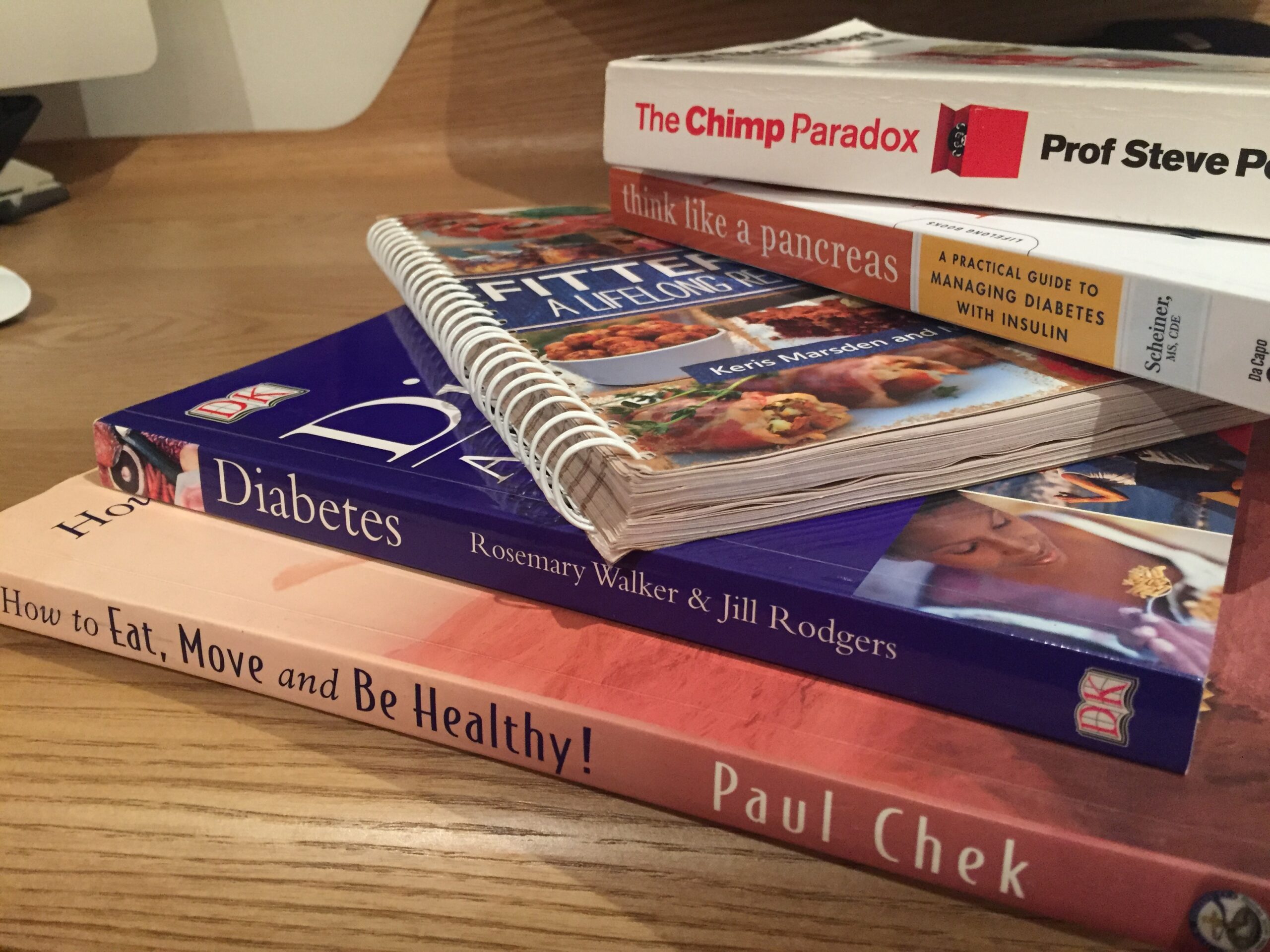
I started looking for resources that were actually backed by science and written by people who knew the daily struggle of managing blood sugar levels. But where do you even start? There’s a whole wall of medical texts at the bookstore, and most of them look like they were written for surgeons, not regular people just trying to make it to dinner without a glucose spike. I wanted something that felt like a conversation, not a lecture. I spent a lot of late nights reading reviews and trying to filter out the fluff from the real, actionable advice. That’s when I came across a list of the best books on diabetes and finally felt like I was getting somewhere. These weren’t just “diet” books. They were guides on how the body actually processes insulin and how stress, sleep, and even the time of day can throw everything out of whack. It was a relief to realize that my “failures” weren’t always about a lack of willpower; sometimes, they were just biological reactions I didn’t understand yet. Education became my biggest tool for survival. Or maybe not just survival, but actually living well again.
It’s been about a year since that initial panic, and things are a lot different now. I’m not saying it’s easy. It’s never really easy. It’s a constant, daily management job that doesn’t offer any vacation days. But I don’t feel like I’m drowning anymore. I’ve learned how to read my own body’s signals and how to advocate for myself when I’m talking to my medical team. Having that core knowledge from the right resources gave me my confidence back. I can go out to eat with friends now without feeling like every menu item is a landmine. And I’ve stopped beating myself up over the occasional bad reading. It happens. You adjust, you learn, and you move on to the next meal. If you’re in that same spot I was—scared, confused, and tired of the vague advice—my best suggestion is to stop scrolling and start reading something substantial. The right information makes the path ahead look a lot less intimidating. You don’t have to figure it all out overnight. Just take it one chapter at a time, and eventually, the pieces start to fit together. It’s a long road, but it’s one you can definitely handle once you have the right map in your hands.