Understanding the basics of HVAC is essential for homeowners who want to maintain a comfortable and energy-efficient home environment. HVAC stands for Heating, Ventilation, and Air Conditioning, which are the three main functions involved in regulating indoor climate. This system plays a critical role in ensuring the home remains warm during cold months, cool during hot seasons, and well-ventilated year-round.
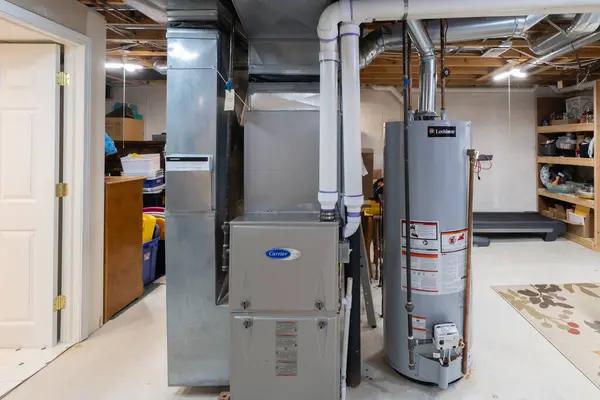
The heating aspect of HVAC typically involves furnaces or heat pumps that generate warmth through various fuel sources such as natural gas, electricity, or oil. Furnaces heat air and distribute it throughout the home via ductwork, while heat pumps can both heat and cool by transferring heat from one place to another. Proper heating ensures that indoor temperatures remain comfortable when outdoor temperatures drop, preventing cold spots and improving overall comfort.
Ventilation is another key component of HVAC systems. It involves exchanging indoor air with fresh outdoor air to improve air quality and remove pollutants, moisture, and unpleasant odors. Good ventilation is crucial for maintaining a healthy living environment, preventing mold growth, and reducing airborne contaminants. Homeowners may have natural ventilation through windows or mechanical ventilation systems such as exhaust fans and air exchangers that help regulate airflow.
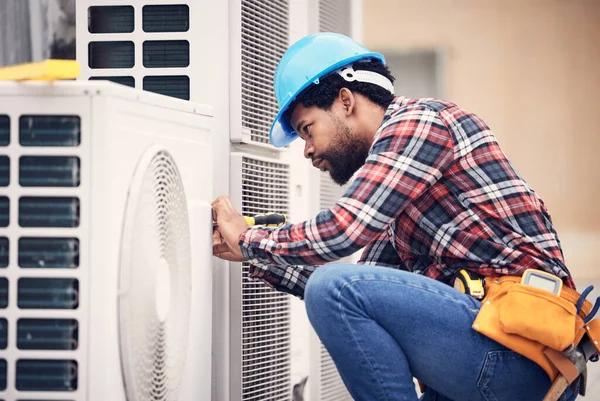
Air conditioning is responsible for cooling the home during warmer months. Central air conditioners or heat pumps cool the indoor air by removing heat and humidity, hvac which helps maintain a comfortable temperature and improve indoor air quality. Properly sized and maintained air conditioning systems are important to prevent excessive energy consumption and ensure efficient performance.
For homeowners, understanding their HVAC system means recognizing the importance of regular maintenance. Changing air filters every one to three months, scheduling annual inspections, and cleaning components like coils and ducts can extend the life of the system and improve energy efficiency. Neglecting maintenance can lead to higher utility bills, reduced comfort, and costly repairs.
Energy efficiency is a significant consideration when dealing with HVAC systems. Modern units often come with energy-saving features, such as programmable thermostats, variable-speed motors, and high Seasonal Energy Efficiency Ratio (SEER) ratings. Investing in energy-efficient HVAC equipment can reduce environmental impact and lower operating costs.
In summary, the HVAC system is an integral part of any home, providing heating, ventilation, and air conditioning to maintain comfort and air quality. By understanding how these components work together and committing to regular maintenance, homeowners can ensure their HVAC systems operate efficiently and effectively for years to come.
All Service Heating and Air Conditioning
350 Depot St, Franklin, NC 28734
828-554-7197